
Location

Huairou District, North of Beijing, China
Reasons to visit
Historical Architecture; Famous site for both historical and natural view
Opening Hours
- 07:00~17:00 daily
Located in the west side in Huairou County, Beijing, Xiangshuihu Ancient Great Wall has a unique geographical location and beautiful natural landscape.
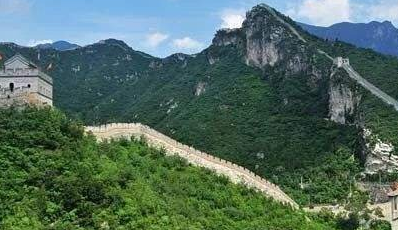
As a part of Huairou Xiangshuihu Scenic, the Xiangshuihu Great Wall is undoubtedly the most significant attraction for the tourists. The Great Wall is located by a dam, but the dam has been dried up for a long time. Now in the bottom of the dam grows lush dense woods. Against the green landscape, the Great Wall becomes particularly beautiful. Most of the tourists who travel there are fascinated by the spectacular scenery.
Besides the grand scenery, Xiangshuihu Great Wall offers a tranquil and less-crowded atmosphere compared with the more famous Mutianyu or Badaling sections. The walking paths are gentle at first but gradually become steep as visitors climb higher into the mountains. From the top, travelers can enjoy a panoramic view of the entire valley, with the wall stretching endlessly across the ridges. The mix of ruined towers and partially restored stones gives this place a wild and authentic charm. It is a favorite destination for photographers and hikers who prefer natural and peaceful surroundings.
Viewing the flowers in spring is the most beautiful thing to do in Xiangshuihu Great Wall. In summer, the temperate difference between day and night is above 12℃. The water and air is quite fresh here. When it comes to the autumn, the mountains are reddened by the red leaves. And the trees nearby are fruiting well. In Xiangshuihu Ancient Great Wall, you can also enjoy the mountains cladding in silvery white in winter. And watching the snows landscape on Xiangshuihu Great Wall would be a fantastic experience for you.
Each season presents a different face of Xiangshuihu:
- Spring: Peach blossoms and wild flowers bloom along the slopes, painting the Great Wall with colors.
- Summer: The air is cooler than downtown Beijing, making it a perfect place for a refreshing escape.
- Autumn: The valley turns golden and red, ideal for sightseeing and photography.
- Winter: The snow-covered wall and frozen waterfalls create a quiet and magnificent view rarely seen elsewhere.
Legend of Xiangshuihu Great Wall
Moshikou Barrie on the Xiangshuihu Great Wall is a pivotal project in Ming Dynasty. There was a barbican entrance in the barrier and has dual switches. Moshikou Barrie, as an important border fortress nearby “Beijing Junction”, was built in 1404 and honors a more than 590 years’ history from now. Lianyuan Cave and Tuteng Pavilion situated in the half-way of Xiangshuihu Great Wall also add some mysterious atmosphere to this place. The characters “ Lian Yun Cave” engraved in front of the hillside are of supernatural workmanship. There is a gold dragon in the cave. It is said this dragon protected Xiangshui Lake and the local people. So the villagers there molded a statue for the dragon to show their worship.
This legend has been passed down through generations among the villagers, symbolizing the harmony between humans and nature. Even today, local people hold simple rituals to express gratitude to the “golden dragon” during harvest season. These folk traditions give Xiangshuihu not only historical depth but also cultural warmth. The combination of legend and landscape makes the visit more meaningful—it feels like walking into a living story written on stone and water.
About Xiangshuihu Scenic Area
This section is named Xiangshuihu Great Wall because it is located inside Xiangshuihu Scenic Area. Xiangshuihu is situated in the west of Mutianyu, 28 km away from Huiarou County, Beijing. It honors a beautiful scenic spot that enjoys exceptional advantages, for it integrates the Great Wall, ancient cave, mountains, spring and waterfall as a whole.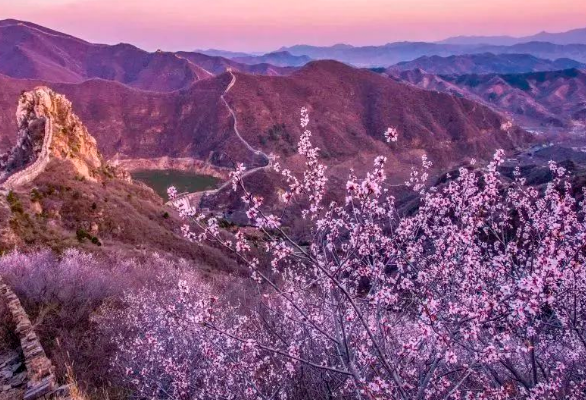
Xiangshuihu got its name because at the source of the spring, the water gush constantly and the water sounds like thunder. You can hear the sound of running water thousand meters away. As the largest spring in Huairou Couty, Beijing, Xiangshuihu Lake is not only the source of drinking water for local people, but also the source of the Huairou reservoir. There is 0.3 cubic meters water per second pouring out from the spring and 25973 tons per day. The water is sweet and refreshing.
Visitors can walk along the wooden plank roads by the spring and listen to the sound of gurgling water echoing through the valley. Small bridges, pavilions, and resting platforms have been built for tourists to relax and take photos. In summer, the stream is clear enough to see fish swimming, and in winter, the icicles hanging from the rocks form a crystalline fairyland.
Xiangshuihu Scenic Area is surrounded by a valley which was used to built barriers and fortresses in Ming Dynasty. The valley is franked by ridges and peaks and the ancient Great Wall. The inscriptions on precipices in Ming dynasty add a sense of majesty to this place. The natural Lianyun Cave and Tuteng pavilion are extremely skillful and fascinating. All in all, the spring, the caves, the Great Wall and the peaks make Xiangshuihu Scenic Area an perfect place to worth a trip.
Nowadays, the scenic area provides well-marked hiking routes with moderate difficulty, suitable for families and casual hikers. Visitors can choose between a short 1-hour walk around the spring area or a 3–4-hour hike to reach the higher parts of the Great Wall. Small local restaurants near the entrance serve simple farmhouse meals made with local vegetables and trout from the mountain streams.
How to Get There
Xiangshuihu Scenic Area is about 70 km north of central Beijing. The easiest way is to drive or take a private tour, which takes around 1.5 hours. If you choose public transportation, you can take Bus 916 Express from Dongzhimen to Huairou North Avenue (Huairou Beijie), then transfer to a local minibus or taxi directly to the scenic area. It’s recommended to go early in the morning to enjoy the calm mountain air before crowds arrive.
Travel Tips
Bring water and wear comfortable shoes; some paths can be steep.
The scenic area can be windy; a light jacket is recommended even in summer.
The best time to visit is April to October, though winter offers unique snow scenes for photographers.
Don’t miss Lianyun Cave and Tuteng Pavilion, as they perfectly combine natural wonder and historical charm.