
Location

Simatai Village, Gubeikou Town, Miyun County, Beijing, China
Reasons to visit
World Cultural Heritage; One of most visited Great Wall section
Opening Hours
- 8:00-18:00 from April to October
- 8:00-17:30 from November to next March
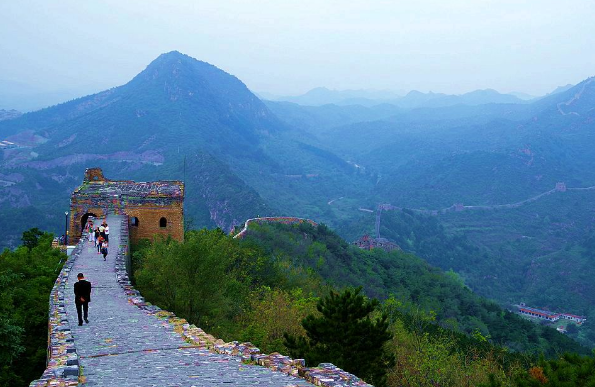
The Simatai Great Wall (司马台长城) is often described as the “soul of the Great Wall” due to its perfect preservation of Ming Dynasty features and dramatic scenery. Located about 120 kilometers northeast of central Beijing, this section stretches for 5.4 kilometers across steep mountain ridges, connecting to the Gubeikou section in the west. Unlike the more restored and commercialized parts of the Great Wall such as Badaling and Mutianyu, Simatai retains a raw, untouched beauty that appeals to adventurous travelers, hikers, and photographers.
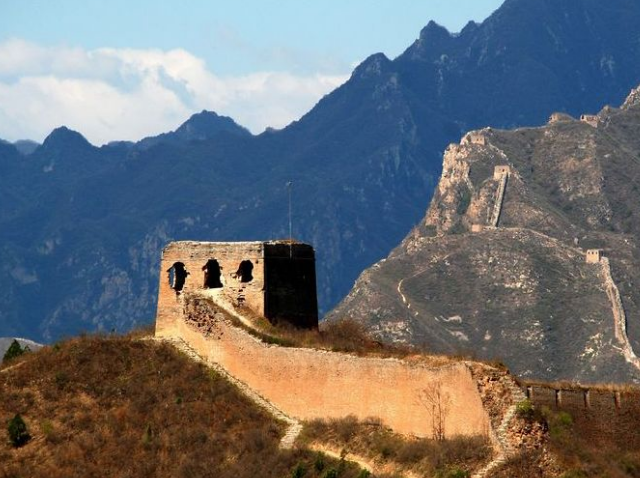
Simatai is the only section that still keeps the original appearance from the Ming Dynasty (1368–1644). It is recognized by UNESCO as part of the World Cultural Heritage for its unique construction, diverse watchtowers, and breathtaking mountain setting.
History and Construction
Simatai Great Wall was originally built during the Northern Qi Dynasty (550–577) and later reconstructed under General Qi Jiguang during the Ming Dynasty in the 14th century. General Qi was a brilliant military commander who restructured the defense system of the Great Wall, making Simatai one of its most solid and strategically significant sections.
Each brick of Simatai tells a story — many are stamped with the date of production and the army unit responsible for making it, such as “Made by Qiangzi Camp” or “Left Camp of Shandong in the 6th Year of Wanli Reign (1578).” These inscriptions have become precious historical evidence, allowing historians to trace the construction process and military organization of the Ming era.
Unique Architectural Features
The Simatai Layout: East and West Sections
The Simatai Great Wall is divided by a valley into eastern and western parts.
West Section: Relatively gentle and easier to hike. It includes 20 watchtowers, many of which are well-preserved and connected by relatively flat paths. This section is ideal for general tourists.
East Section: Much steeper and more dramatic, featuring 15 watchtowers, including the famous Fairy Tower (Xiannü Lou), Heavenly Ladder, and Sky Bridge. This section is open only partially for safety reasons but offers the most spectacular panoramic views for adventurous hikers.
The Heavenly Ladder (Tianti) rises almost vertically, with steps barely wide enough for one person. It leads to the Fairy Tower, perched on a narrow ridge — legend says a fairy descended from heaven to rest here, hence the name.
A Perfect Blend of Nature and History
What makes Simatai truly mesmerizing is its harmony with nature. The wall snakes over sharp ridges, crosses deep valleys, and disappears into the clouds, forming an impressive silhouette against the sky. During spring and summer, the surrounding hills burst into green, while autumn paints them in fiery red and gold. In winter, the snow-covered ramparts exude a solemn beauty, like a frozen dragon winding through the mountains.
From the top towers, visitors can overlook the Gubei Water Town at the foot of the mountain — a charming ancient-style town built around a reservoir, combining historical architecture with modern comforts. Many travelers choose to stay overnight in Gubei to enjoy the night view of Simatai, when the wall is beautifully illuminated, creating an unforgettable romantic atmosphere.
Hiking Experience
Simatai Great Wall is a challenging yet rewarding destination for hiking enthusiasts. The trail features steep ascents, uneven stone steps, and narrow passes. Good physical condition and sturdy hiking shoes are recommended.
For most visitors, the moderate route from the entrance up to the Tower 10 (Beacon Tower) offers a balance between adventure and safety, taking about 1.5 to 2 hours round trip. The more extreme eastward section beyond Tower 10 requires experience and is usually closed to independent visitors for protection and safety.
Best Time to Visit
- Spring (April–June): Pleasant weather and blooming flowers make it ideal for photography.
- Autumn (September–November): The best time for hiking — cool, clear skies and colorful foliage.
- Summer (July–August): Lush landscapes but expect heat and occasional rain.
- Winter (December–March): Fewer crowds and a stunning snow-covered wall, but be prepared for cold winds.
- Recommended Visiting Time: 2–3 hours (half-day trip) or stay overnight at Gubei Water Town for a combined experience.
How to Get There
From Beijing:
By Bus: Take a direct tourist bus from Dongzhimen or Sanyuanqiao Bus Station to Gubei Water Town (2–2.5 hours), then walk or take a short shuttle ride to the Simatai entrance.
By Car: Drive along Jingcheng Expressway (G45) to Miyun District, then follow signs for Simatai or Gubei Water Town. Total travel time is about 2 hours.
Travel Tips
Tickets: Simatai Great Wall and Gubei Water Town require separate tickets, but combo tickets are available online.
Night Visit: Simatai is the only Great Wall section open for night tours. The illuminated wall offers a magical view from 6:00 p.m. to 10:00 p.m.
Clothing: Wear comfortable hiking shoes, hat, and sunscreen. In cooler months, bring a windproof jacket.
Accommodation: Stay in Gubei Water Town for convenient access, traditional inns, and night photography opportunities.
Photography Tip: The best photo spots are at Tower 8 and Tower 10, offering sweeping mountain vistas.
With its fantastic scenery and precipitous topography, the Simatai Great Wall is a remarkable place for sightseeing, hiking and exploration. It has been acknowledged by the UNESCO as one of the World Cultural Heritages.